The Psychology of FOMO in Comic Collecting
Full Report
Discover how fear of missing out influences comic book collecting and learn how to avoid costly decisions driven by hype and speculation.
Every collector likes to believe they make rational decisions.
We research books, study market trends, compare sales data, and convince ourselves that our purchases are based on logic. Yet some of the most experienced collectors in the hobby routinely make the same mistake.
They allow fear to make decisions for them.
The comic market has always been vulnerable to FOMO, or Fear of Missing Out. Whether it is a surprise movie announcement, a rumored casting decision, or a social media influencer highlighting an obscure first appearance, collectors often find themselves chasing books they had little interest in only days earlier.
The fascinating part is that many of these collectors know exactly what is happening.
They simply struggle to resist it.
Understanding the psychology behind FOMO is one of the most valuable skills a collector can develop because market frenzies come and go, but human behavior remains remarkably consistent.
Why FOMO Is So Powerful
At its core, FOMO is not about comic books.
It is about regret.
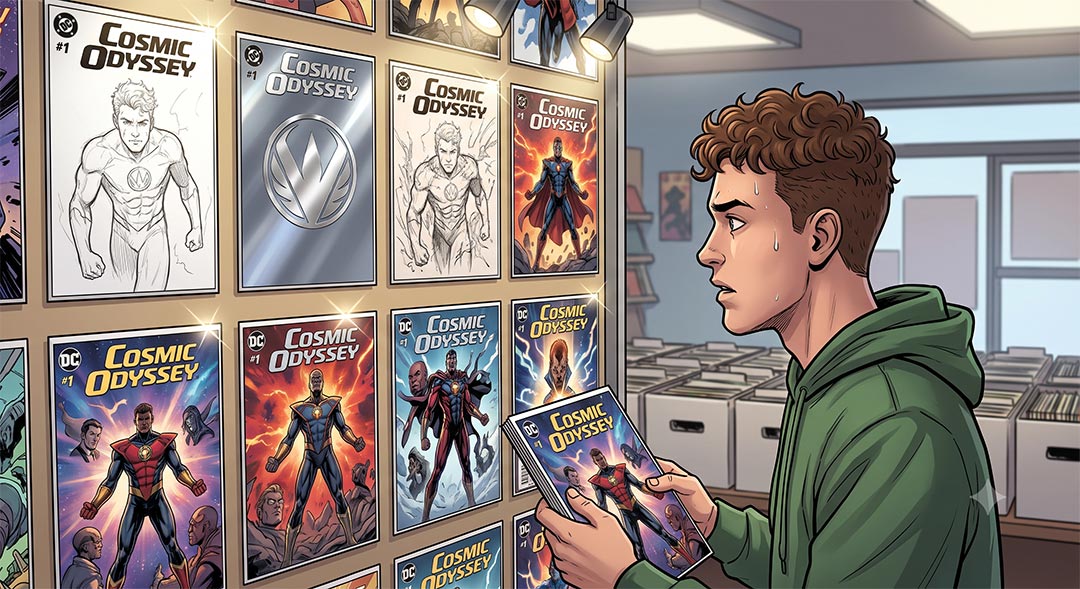
Collectors are often less concerned with making a great purchase than they are with avoiding the feeling that they missed an opportunity.
The thought process is familiar:
"What if this book doubles next month?"
"What if this character becomes the next major franchise?"
"What if I never get another chance to buy it at this price?"
Notice what is happening.
The decision is no longer driven by the comic itself. It is driven by a fear of future regret.
That shift is where many collecting mistakes begin.
The Movie Announcement Effect
Few forces move comic prices faster than Hollywood.
A single casting announcement or production rumor can send collectors rushing toward books that were largely ignored the week before.
Sometimes those price increases prove justified.
More often, they do not.
The problem is that movie speculation compresses years of potential demand into a matter of days. Collectors see prices rising rapidly and assume they must act immediately or risk being left behind.
In reality, the market is often reacting emotionally rather than rationally.
By the time many collectors enter the frenzy, the biggest gains have already occurred.
They are not buying before the crowd.
They are buying because of the crowd.
Social Media Amplifies Everything
Twenty years ago, hype traveled relatively slowly.
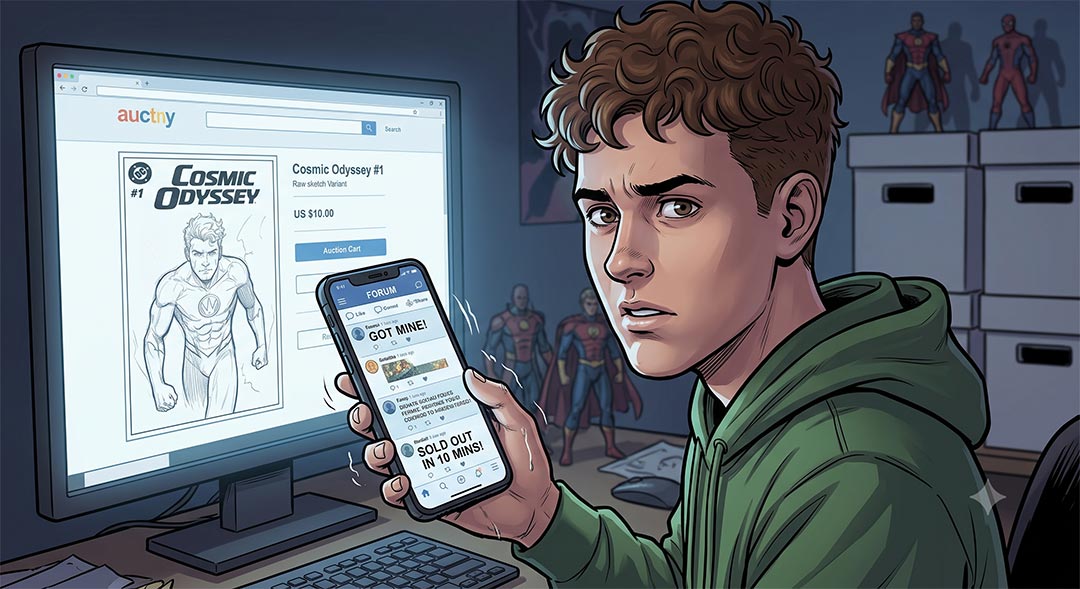
Today, a single post can reach thousands of collectors within hours.
Social media has created an environment where market trends spread almost instantly. A book that was quietly sitting in dollar bins can become the focus of widespread attention overnight.
This creates a powerful psychological effect.
Collectors begin seeing the same book repeatedly across videos, posts, forums, and discussion groups. Repetition creates familiarity, and familiarity often creates perceived importance.
The comic may not have changed.
The exposure has.
Many collectors mistake visibility for significance.
Why Smart Collectors Still Get Caught
One of the biggest misconceptions about FOMO is that it primarily affects inexperienced collectors.
It does not.
In many cases, experienced collectors are equally vulnerable.
The difference is that seasoned collectors often have enough market knowledge to construct convincing arguments that justify emotional decisions.
They can explain why the character matters.
They can cite scarcity statistics.
They can reference historical sales trends.
Sometimes those arguments are valid.
Sometimes they are simply rationalizations created after the emotional decision has already been made.
Knowledge does not eliminate FOMO.
It often makes it easier to justify.
The Speculator's Feedback Loop
Market frenzies tend to follow a predictable pattern.
First, a catalyst appears.
Then prices begin rising.
Collectors notice the movement and buy because they expect further increases.
That additional buying pushes prices even higher.
The rising prices then attract even more buyers.
The cycle continues until enthusiasm eventually exceeds reality.
At that point, demand weakens and prices begin to correct.
The challenge is that while the cycle appears obvious in hindsight, it rarely feels obvious in the moment.
Every bubble feels different while it is happening.
How Long-Term Collectors Think Differently
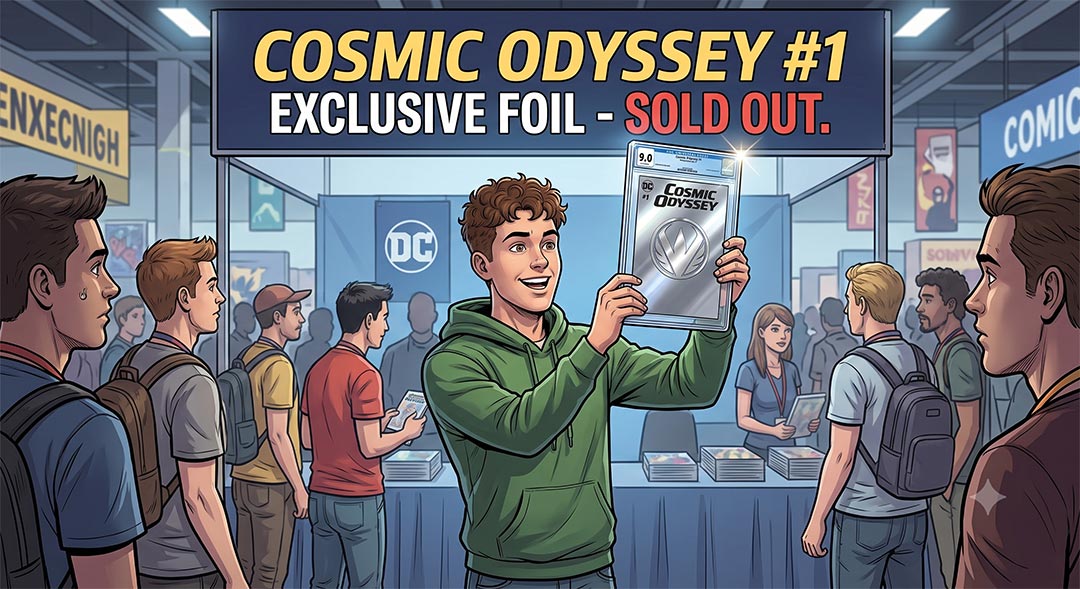
Disciplined collectors approach opportunities from a different perspective.
Instead of asking:
"What happens if I miss this?"
They ask:
"What happens if I am wrong?"
That subtle shift changes everything.
It encourages patience.
It encourages research.
Most importantly, it encourages collectors to evaluate a book's historical significance rather than its current momentum.
The strongest collections are rarely built through urgency.
They are built through consistency.
A Simple Test for FOMO
The next time a book suddenly captures the hobby's attention, ask yourself three questions:
Did I want this book before the hype started?
Would I still want this book if prices stopped rising tomorrow?
Am I buying the comic, or am I buying the excitement surrounding it?
The answers are often revealing.
A truly significant comic remains significant regardless of what social media is discussing this week.
The Bottom Line
Fear of missing out is one of the most powerful forces in comic collecting because it appeals to a basic human instinct. Nobody enjoys feeling left behind.
The problem is that FOMO encourages collectors to focus on short-term excitement rather than long-term significance. It shifts attention from history to momentum, from research to urgency, and from collecting to reacting.
The irony is that the collectors who achieve the greatest long-term success are often the ones most willing to miss out.
They understand that opportunities are endless.