Whatever Happened to Comic Book Spinner Racks?
Full Report
Remember comic book spinner racks at grocery stores and gas stations? Discover their history, why they disappeared, and the nostalgia they left behind.
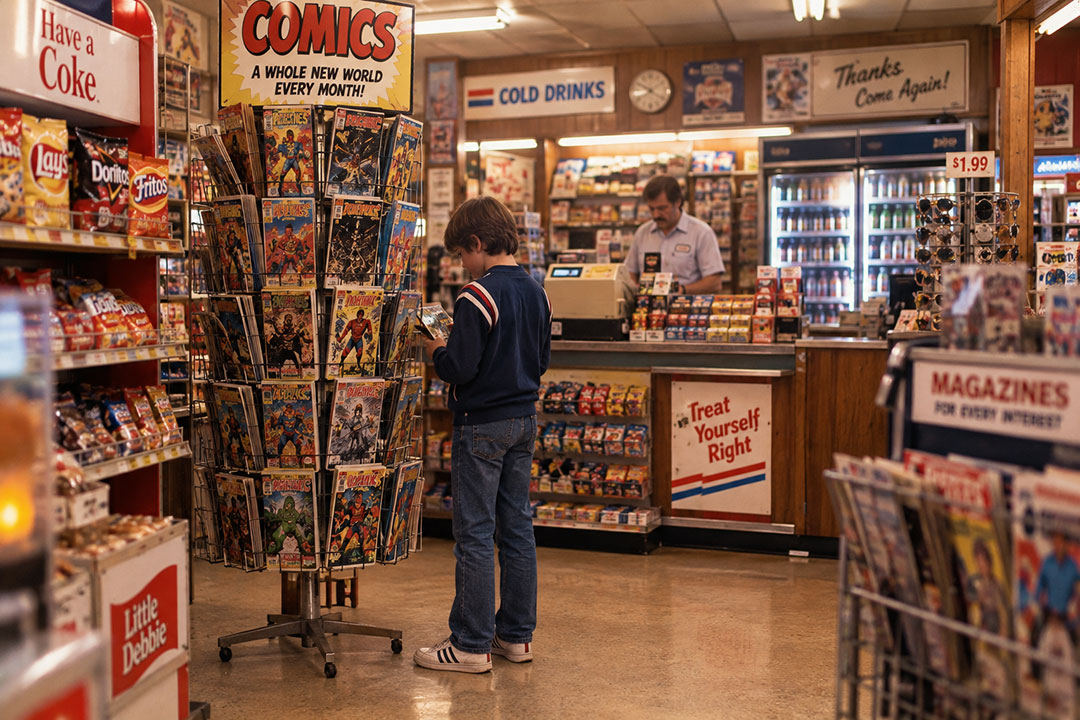
Remember when you could buy a comic book at the grocery store, pharmacy, or corner convenience store? Those squeaky metal spinner racks were once everywhere. So where did they go?
There was a time when finding a comic book didn't require visiting a comic book store.
You could be tagging along with your parents at the grocery store, waiting for a prescription at the pharmacy, or stopping at a convenience store for a soda, and there they were.
Comic books.
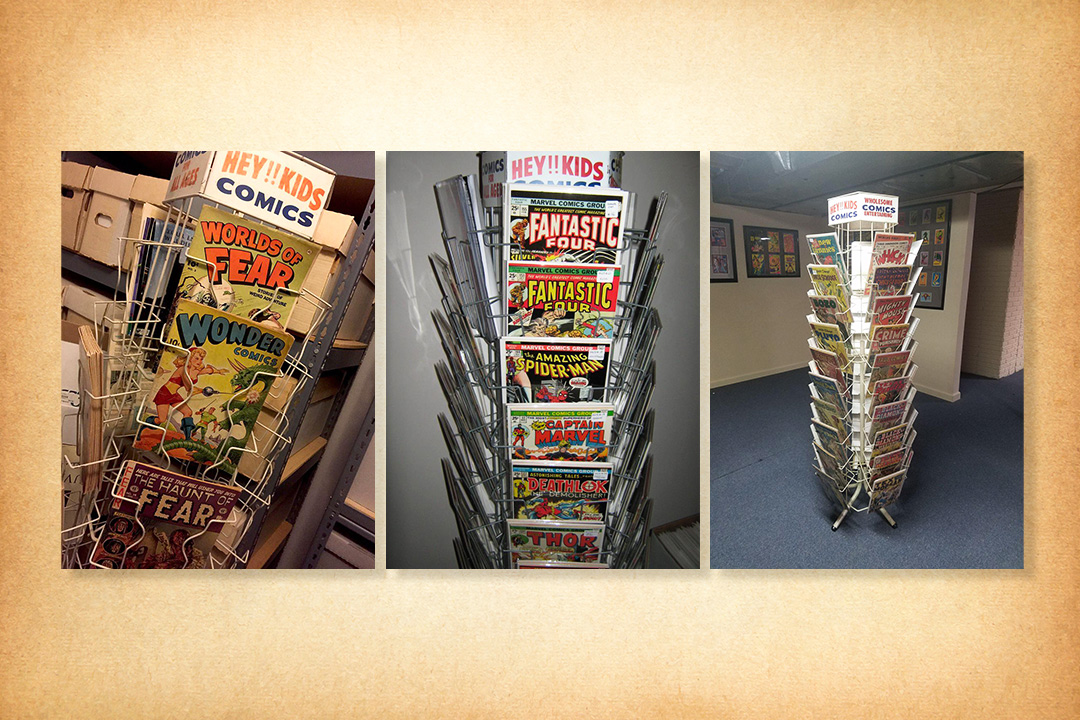
Sitting in a tall, squeaky metal rack that spun around, usually with a little sign at the top reminding everyone that comics were fun.
And they were.
You didn't need a subscription, a pull list, or any idea what was happening in the latest crossover event. You just flipped through the rack, found something with a cool cover, and hoped you had enough change to take it home.
So what happened to those wonderful spinning towers of comic book goodness?
When Comics Were Everywhere
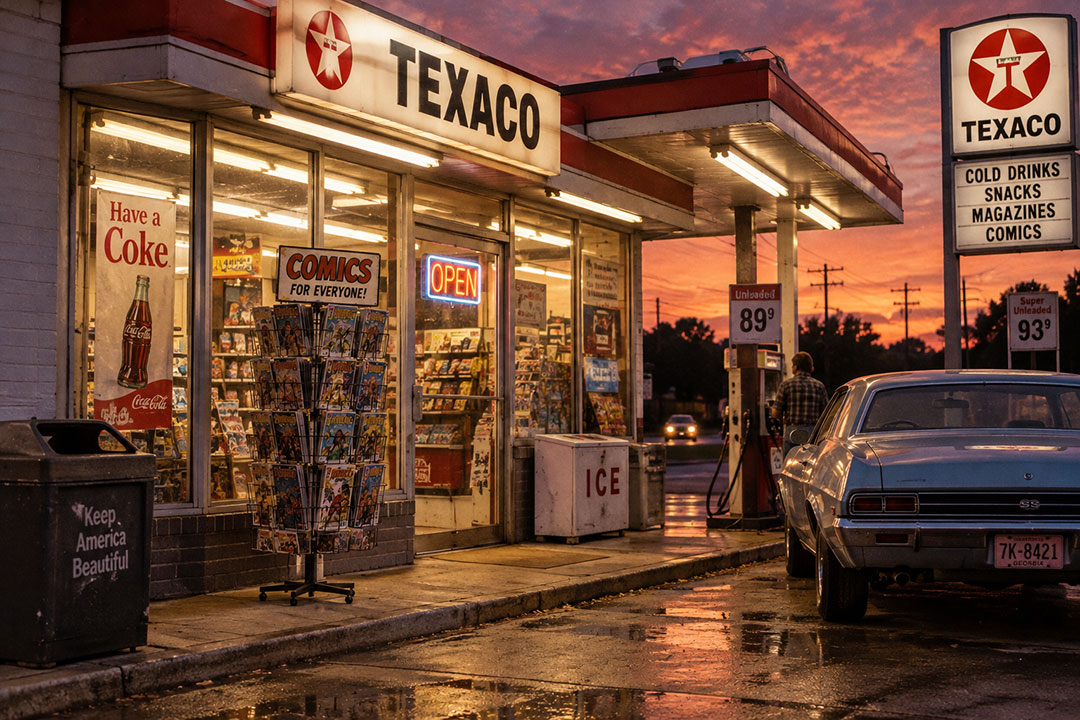
For decades, comic books were sold through the same distribution networks that supplied newspapers and magazines.
Newsstands, drugstores, grocery stores, and convenience stores all carried them. Spinner racks made it easy to display dozens of titles without taking up much floor space.
They were practically miniature comic shops.
You might find Amazing Spider-Man next to Archie, Batman beside Richie Rich, and some completely unfamiliar science fiction comic with a cover too interesting to ignore.
That randomness was part of the experience.
You weren't necessarily looking for a particular issue. Sometimes the comic found you.
And for a lot of future collectors, those racks were where the obsession began.
Then Comic Book Shops Changed Everything
During the 1970s and 1980s, the comic book industry began shifting toward something called the direct market.
Instead of relying primarily on traditional newsstand distribution, publishers increasingly sold comics directly to specialty comic book stores through dedicated distributors.
This changed the business considerably.
Under traditional newsstand arrangements, unsold comics could generally be returned for credit. Direct-market comics, on the other hand, were typically purchased on a nonreturnable basis.
For publishers, that meant more predictable sales.
For comic shops, it meant access to a growing selection of titles and a business built around dedicated readers.
For collectors, it meant something even better: a store where comics were the main attraction.
But there was a downside.
As more comic book sales moved into specialty shops, the humble spinner rack began losing its place in everyday retail.
The Disappearing Spinner Rack
By the 1990s and 2000s, finding new comic books at an ordinary grocery store was becoming increasingly unusual.
Retailers had limited shelf space, and comic books weren't always the most profitable use of it.
Why dedicate valuable floor space to inexpensive comics when you could sell magazines, snacks, greeting cards, or other merchandise?
Meanwhile, comic book shops offered something spinner racks never could: reliable access to ongoing series.
You could reserve your favorite titles, follow storylines month after month, and discover new releases every Wednesday.
The old newsstand system gradually faded, and with it went the spinning racks that had introduced generations of readers to comics.
What We Lost Along the Way
Here's the thing about spinner racks.
They weren't just places to buy comic books.
They were places to discover them.
A kid who had never heard of the X-Men might pick up an issue because Wolverine looked awesome on the cover.
Someone buying a candy bar might notice a particularly strange monster comic.
You didn't have to already be a comic book fan to become one.
That accidental discovery was something special.
Comic shops are fantastic, and online retailers have made finding specific issues easier than ever. Digital comics have opened even more doors.
But there's something different about encountering a comic book when you weren't looking for one.
Spinner racks made comics part of everyday life.
Could Spinner Racks Ever Make a Comeback?
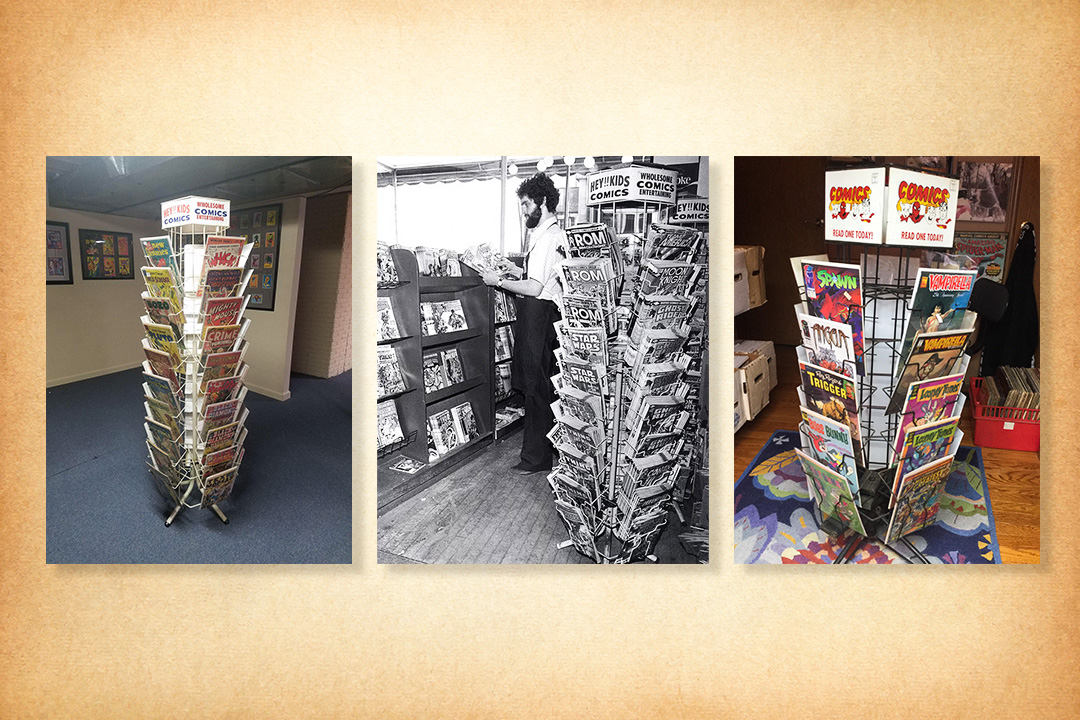
Interestingly, spinner racks haven't disappeared completely.
Some comic shops still use them for nostalgic displays, and occasionally you'll find comics in bookstores or other retail locations.
But the old system of inexpensive monthly comics appearing almost everywhere is unlikely to return in quite the same way.
Retail economics have changed. Distribution has changed. Even the way people discover entertainment has changed.
Still, the idea behind spinner racks remains a good one.
Put interesting comics where people can stumble across them, and you might create a lifelong reader.
And maybe that's the real lesson.
Comic books don't always need another massive crossover event or a complicated collector's edition to attract new fans.
Sometimes all they need is a cool cover, a curious kid, and a rack that spins.
Now that's something worth bringing back.